For years, financial inclusion has been measured by a simple metric: how many people have access to a bank account. Governments, financial institutions, and development organizations have celebrated the growth in account ownership as a sign of economic progress. Yet beneath these encouraging numbers lies a more complex reality. Millions of people own bank accounts that they rarely use, while many women continue to face barriers that prevent them from fully participating in the financial system.
The assumption that opening an account automatically leads to economic empowerment is one of the biggest misconceptions in the financial inclusion agenda. Access is important, but access alone does not create opportunity. True financial inclusion occurs when individuals have the knowledge, confidence, and ability to use financial services in ways that improve their lives.

The Problem of Dormant Accounts
Across many developing countries, account ownership has increased significantly due to mobile money services, government initiatives, and financial sector expansion. However, a substantial number of these accounts remain inactive.
Consider a rural woman who opens a bank account because it is required to receive a government grant or participate in a savings program. Once the payment is received, she withdraws all the money and rarely interacts with the account again. Technically, she is financially included. Practically, she remains disconnected from the broader financial system.
This highlights a critical flaw in how financial inclusion is often measured. Counting accounts tells us little about whether people are saving regularly, accessing credit responsibly, purchasing insurance, or building financial resilience.
An account that is never used cannot help a family recover from a medical emergency, invest in a business, or plan for the future.
Women face unique barriers that go beyond simply opening accounts. Many women entrepreneurs operate informal businesses with irregular incomes. They may lack collateral required by traditional lenders, have limited exposure to financial products, or face social norms that restrict their control over household finances. In some communities, women may even depend on others to make financial decisions on their behalf.
As a result, having a bank account does not automatically translate into financial empowerment.
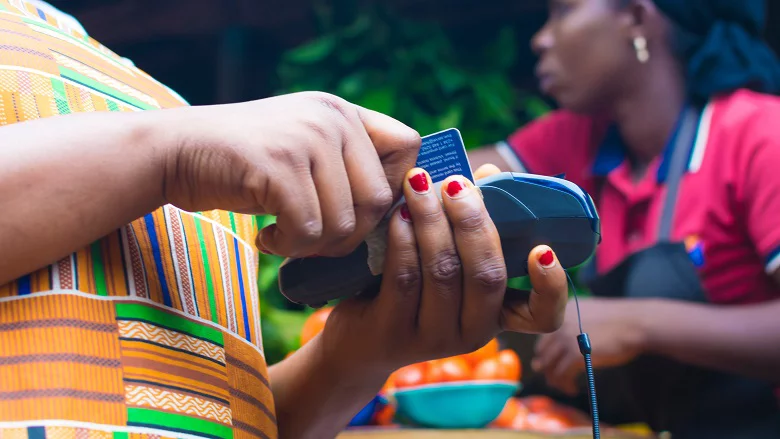
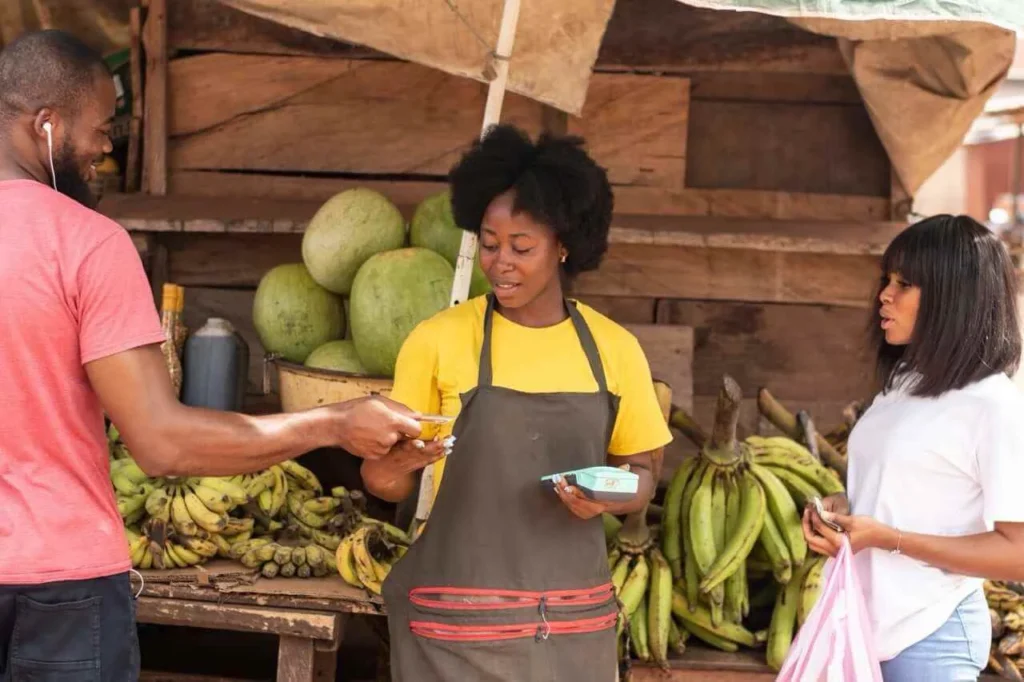
Take the example of a market vendor who sells fruits and vegetables. She may have an account, but if she does not understand how to build a savings history, access affordable credit, or separate business finances from household expenses, the account becomes little more than a storage facility for money.
Financial inclusion must therefore address both access and capability. One of the most powerful tools for meaningful inclusion is financial literacy.
People need practical knowledge about budgeting, saving, borrowing, insurance, and digital financial services. Without this understanding, financial products can become intimidating, underutilized, or even harmful.
For example, access to credit is often celebrated as a pathway to business growth. However, without adequate financial education, borrowers may take loans they cannot repay, creating cycles of debt rather than opportunity.
Similarly, many low-income households remain uninsured not because insurance is unavailable, but because they do not fully understand how it works or how it can protect them from unexpected shocks. Financial literacy transforms financial access into financial empowerment. Another overlooked aspect of inclusion is usage.
A financially included individual regularly engages with financial services. They save money, receive payments digitally, transfer funds, access credit when needed, and use financial tools to manage risk.
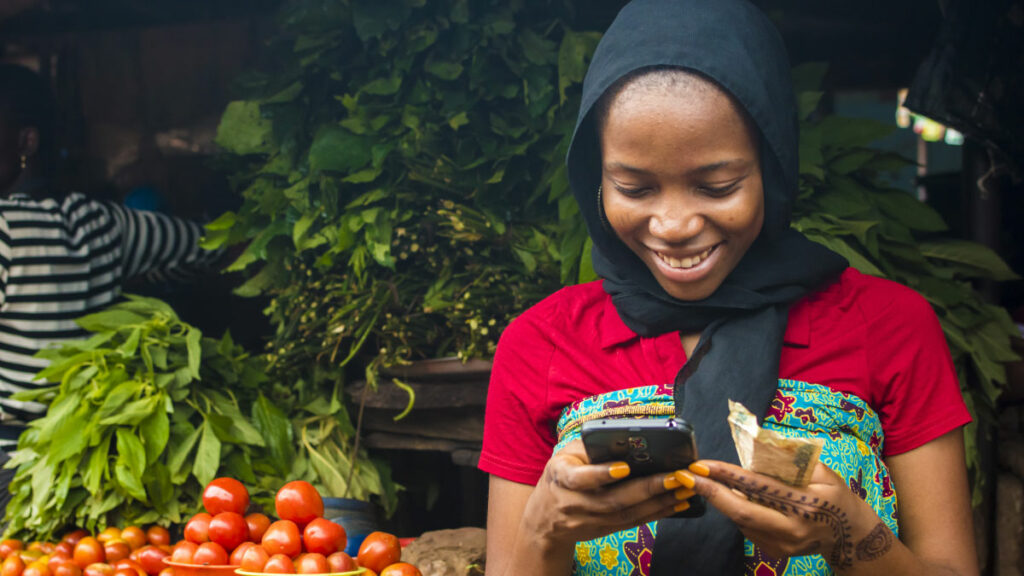
Transaction history also creates economic visibility. When women entrepreneurs actively use financial accounts, they build records that can help them qualify for loans, attract investors, and demonstrate business performance. This is particularly important for women operating small enterprises that may lack formal documentation.
Regular usage creates a financial footprint that opens doors to greater opportunities.
The rise of mobile money across Africa provides an important lesson. Its success did not come merely from creating accounts. It came from enabling people to conduct everyday transactions conveniently and affordably. People adopted mobile money because it solved real problems: sending money to family members, paying bills, receiving payments, and managing finances without travelling long distances.
The lesson is clear. Financial products become meaningful when they fit into people’s daily lives and respond to their actual needs.
Financial inclusion should no longer be viewed as the finish line. Opening an account is only the first step in a much longer journey toward economic participation and resilience.
For policymakers, this means measuring account usage alongside account ownership. For financial institutions, it means designing products that are accessible, understandable, and relevant. For development organizations, it means investing in financial literacy and capacity building, especially for women and marginalized communities.
Most importantly, it means recognizing that financial inclusion is not about the number of accounts opened. It is about whether people can use financial services to improve their livelihoods, manage risks, grow businesses, and create better futures for themselves and their families.
An empty or inactive account may satisfy a statistic, but it does little to change a life. True financial inclusion begins when access is matched with knowledge, confidence, and meaningful participation in the financial system.